Nvidia CEO’s Duck Demo Triggers 20,000 Preorders
A playful moment at a tech conference in Berlin has turned small, open-source robots into the holiday season's potential top seller.
By Zanele Khumalo ·
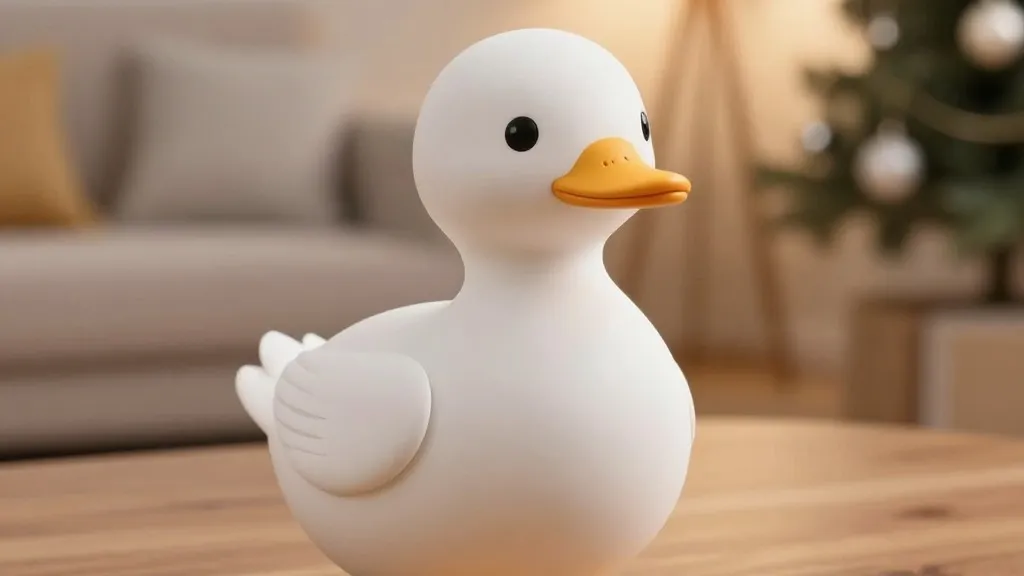
Jensen Huang, the chief executive of Nvidia, just handed over the keys to what might be the most talked-about gadget of the upcoming holiday season. During his keynote address at the GTC Berlin conference earlier this week, Huang did not just present slides or discuss future hardware architectures. He took the stage with a flock of small, waddling robots known as Microducks. The video of him interacting with them quickly spread across social media, capturing the attention of tech enthusiasts and casual observers alike.
The numbers behind the buzz are already substantial. According to Clem Delangue of Hugging Face, preorders for these robotic ducks surpassed 20,000 units within just one day of the keynote. This rapid uptake suggests that the Microducks are poised to become the hottest toy for Christmas. With deliveries expected in time for the holidays, there is a strong possibility that they will claim the title of the best-selling robot of the year. Interestingly, Delangue noted that these devices may not even be primarily aimed at children, as promotional materials have shown adults engaging with them just as enthusiastically.
The Microducks are not standalone products but part of a larger corporate ecosystem. They are open-source devices originally created by Pollen Robotics. That company was acquired by Hugging Face in 2025. In September of this year, Nvidia purchased Hugging Face, making the Microducks an Nvidia product by extension. This is actually the second robot from this lineage, following the similarly charming Reachy Mini. The acquisition ties the hardware directly to the GPU giant, integrating it into their broader technology stack.
The technology behind the ducks relies on Nvidia’s training infrastructure. Simulations of the robots were taught basic motor skills, such as walking, sitting, and standing, which are the default behaviors they ship with. The open-source nature of the device allows owners to go beyond these factory settings. Pollen Robotics states that users can train their specific Microducks to perform new tricks. Once learned, these custom behaviors can be shared with the wider community, fostering a collaborative environment for robot programming.
During the viral keynote, the Microducks demonstrated several personality traits that contributed to their appeal. They stomped their little feet and emitted tiny sounds reminiscent of the astromech droid from popular science fiction. On voice command, they would sit, fall down dead for a simulated nap, or even perform summersaults. Huang played with them on stage, treating them less like industrial prototypes and more like playful companions. The interaction was casual and lighthearted, contrasting sharply with the often serious tone of major tech announcements.
The timing of this viral moment is notable. It occurred during a week when the AI industry faced significant scrutiny. Cyberattacks were being attributed to AI involvement, leading to a narrative that the technology might be damaging the world. In that context, the Microducks served as a palate cleanser for the public. They reminded audiences that artificial intelligence and robotics can be fun, accessible, and endearing. It is difficult to watch the video without feeling compelled to order one, especially given the cute factor involved.
For readers in Texas and the South Central states, this development signals a shift in consumer robotics. These are not expensive, complex machines reserved for laboratories. They are affordable, open-source devices that are expected to arrive in homes before Christmas. The combination of a high-profile CEO endorsement, rapid preorder growth, and a design that appeals to both kids and adults positions the Microducks for a strong holiday performance.
The stakes for the industry are clear. If the Microducks become the best-selling robot of the year, it validates the strategy of making AI hardware cute and accessible. It also highlights the impact of Nvidia’s acquisition of Hugging Face and Pollen Robotics. By controlling the hardware, software, and training stack, Nvidia is embedding itself deeper into the consumer market. As preorders continue to roll in, the question is no longer whether these ducks will be popular, but how quickly they can be manufactured and shipped to meet demand.
The story of the Microducks is a reminder that technology does not always have to be intimidating. By blending advanced simulation training with a charming, duck-like form, Nvidia and its subsidiaries have created a product that resonates on an emotional level. The 20,000 preorders in a single day are a testament to that resonance. As the holiday season approaches, these waddling robots are likely to be a common sight in living rooms and offices across the region.
Source: TechCrunch